
Key Capabilities

- 1Supplier segmentation & CMRT/EMRT outreach with SLAs and reminders
- 2Version checks, completeness validation, and attachment capture
- 3Smelter/refiner normalization and RMI (Active/Conformant) status mapping
- 4Risk scoring & follow-up workflows (red flags, high-risk countries)
- 5Form SD/CMR support packs: narratives, metrics, and evidence
- 6Year-over-year carry-forward with change tracking
How It Works

Scope in-scope products/suppliers and launch CMRT requests with deadlines.

Validate submissions: template version, mandatory fields, declarations.

Normalize smelter IDs, map to RMI lists, and flag non-conformant sources.

Run due diligence: request follow-ups, corrective actions, and alternative sourcing plans.

Generate Form SD/CMR support packs; archive evidence, approvals, and sign-offs.
Free Resource: Conflict Minerals Compliance Guide
Understand how to run a conflict minerals due diligence program using CMRT, EMRT, and AMRT templates, identify smelter risks, and comply with EU Regulation 2017/821 and global reporting requirements
Download E-Book
Operational Benefits

Higher supplier response rates with structured SLAs & reminders

Cleaner smelter lists with automated normalization & RMI mapping

Defensible due diligence with documented red-flag handling

Repeatable filing packs that cut cycle time year-over-year
Conflict Minerals Implementation & Advisory Services

Implementation (4–8 weeks)
- Supplier segmentation & outreach templates
- Validation rules & smelter normalization
- Risk scoring, red-flag playbooks & dashboards
- Team training (sourcing, compliance, legal)
Outcome:
Live workspace; first RCOI wave launched.

Advisory (Quarterly)
- RCOI design & escalation pathways
- Smelter risk reviews & alternatives
- Form SD/CMR narrative and metrics guidance
Outcome:
Fewer surprises; smoother auditor/customer reviews.

Managed Service (MSP)
- CMRT collection/validation at scale
- Smelter mapping and red-flag follow-ups
- Filing support packs & stakeholder responses
- SLA: initial triage in 2 business days
Outcome:
Stable compliance ops without adding headcount.
Conflict Minerals: Manual vs Software
| Process Area | Manual (Spreadsheets) | Software (Regilient) |
|---|---|---|
| Supplier Outreach | Email sprawl; low response | Portal intake with SLAs & reminders |
| CMRT Validation | Version drift; missing fields | Automated checks & completeness gates |
| Smelter Mapping | Hard to normalize | RMI ID normalization & status mapping |
| Due Diligence | Ad-hoc follow-ups | Workflows, red-flag playbooks, evidence |
| Audit Trail | Scattered files | Versioned records & approvals |
Typical Roles & Actions
| Role | Typical Actions (examples) |
|---|---|
| Sourcing | Request CMRTs; manage SLAs; escalate non-responses |
| Compliance/Legal | Validate declarations; review red flags; prepare filings |
| Program/Quality | Coordinate corrective actions; track supplier improvements |
This page is operational guidance. Always confirm current SEC and RMI instructions/templates before filing.
Conflict Minerals Checklist
- Define in-scope products/suppliers and launch CMRT outreach
- Validate template version, completeness, and declarations
- Normalize smelter IDs and map to RMI status
- Escalate red flags; document due diligence and outcomes
- Assemble Form SD/CMR support pack; archive approvals
FAQs for CMRT Compliance
Useful Conflict Minerals Resources
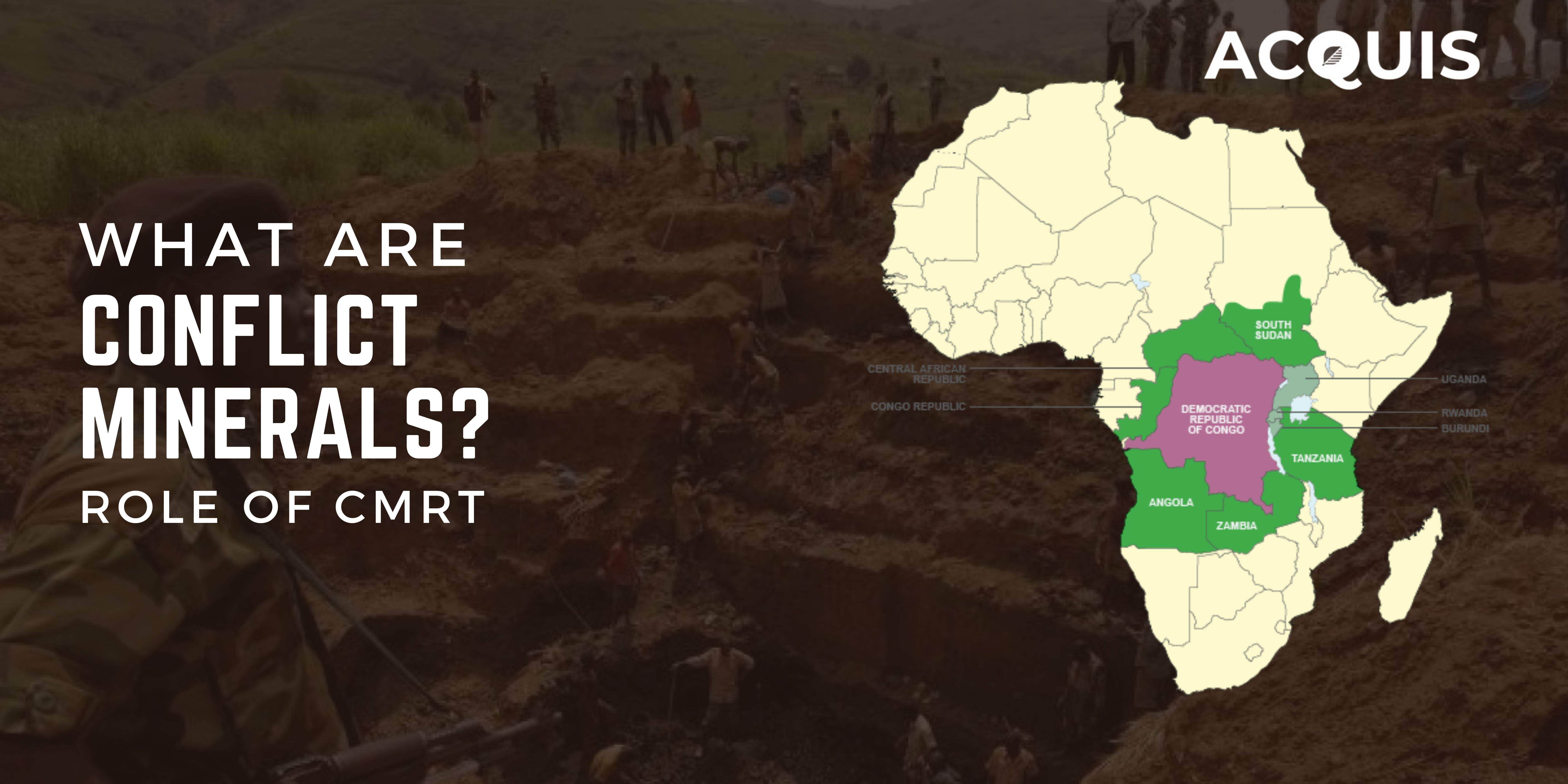
Mon Jan 24 2022
What are Conflict Minerals and the Role of CMRT?

Fri Nov 11 2022
The Similarities and Differences between US & EU Conflict Minerals Regulations
Wed Dec 7 2022
Legislative History of Dodd-Frank Conflict Minerals Act
Fri Jan 13 2023
Guidelines for successfully completing a CMRT

Tue Mar 14 2023
Conflict Minerals Reporting Best Practices for Complex Manufacturing Companies

Fri Mar 24 2023
Streamline Your Conflict Minerals Reporting Process with Compliance Software
Related Compliance Solutions
Make Conflict Minerals Compliance Repeatable
Automate RCOI, CMRT validation, smelter mapping, and filing support with Regilient—and keep your evidence audit-ready.