
Key Capabilities

- 1Screening rules for substance-related MDR provisions
- 2Supplier evidence intake with validations and expiries
- 3Approvals, e-signatures, and versioned lineage
- 4Direct linkage to technical documentation
- 5Reviewer-ready export packs (PDF, XLSX, XML)
How It Works

Define device scope and applicable provisions.

Request, collect, and validate supplier evidence with SLA tracking.

Run rules; flag risks and required labeling/user information.

Approve and link records to the technical files.

Export reviewer packs and maintain an audit trail.
Free Resource: MDR Substance Evidence Playbook
Supplier request templates, validation checklists, and a technical-file linking guide.
Download E-Book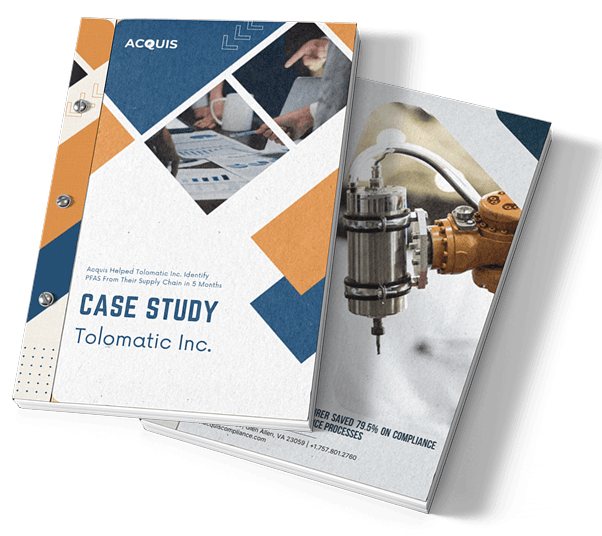
Operational Benefits

Shorter time-to-approval with reviewer-ready packs

Lower risk of missing/expired supplier evidence

Single source of truth tied to your technical files

Scales from pilot projects to global portfolios
EU MDR Implementation & Advisory

Implementation (4–8 weeks)
- Screening rules & evidence taxonomy
- Supplier request templates & workflows
- Technical file mapping & controls
- Team training (RA/QA, sourcing, engineering)
Outcome:
Live workspace; first reviewer pack produced.

Advisory (Quarterly)
- Applicability reviews & prioritization
- Evidence QA & gap closure plans
- Change monitoring; executive readouts
Outcome:
Fewer surprises; smoother NB interactions.

Managed Service (MSP)
- Supplier outreach & validation
- Evidence lifecycle management (renewals/expiries)
- Audit pack preparation and updates
- SLA: initial triage in 2 business days
Outcome:
Stable compliance ops without adding headcount.
MDR Substance Evidence: Manual vs Software
| Process Area | Manual (Spreadsheets) | Software (Regilient) |
|---|---|---|
| Supplier Evidence | Email chase; scattered files | Portal intake; validations & expiries |
| Screening | Ad-hoc checks; missed updates | Rules engine & governed updates |
| Tech File Linkage | Manual copy/paste | Direct links from approved records |
| Audit Packs | One-off collation | Reusable reviewer templates |
Typical Roles & Actions
| Role | Typical Actions (examples) |
|---|---|
| Regulatory/Quality | Approve evidence; manage labeling/user info; prepare audit packs. |
| Sourcing | Request supplier declarations/tests; manage SLAs and renewals. |
| Engineering | Assess material choices; support remediation decisions. |
Verify device-class specifics, labeling/user information needs, and current guidance before submission.
MDR Substance Compliance Checklist
- Define device scope and applicable provisions
- Collect supplier declarations and lab reports with metadata
- Run screening rules; determine labeling/user information
- Approve and link records to technical files
- Generate reviewer packs; archive for audits
FAQs for EU MDR Compliance
Explore Our EU MDR & IVDR Resources

Tue Mar 1 2022
EU Waste Framework Directive (WFD) and SCIP Database Compliance: What Manufacturers Need to Know

Mon Dec 5 2022
Full Material Disclosure (FMD): IPC 1752, IPC 1754 & IEC 62474 Compliance Guide
Fri Jun 2 2023
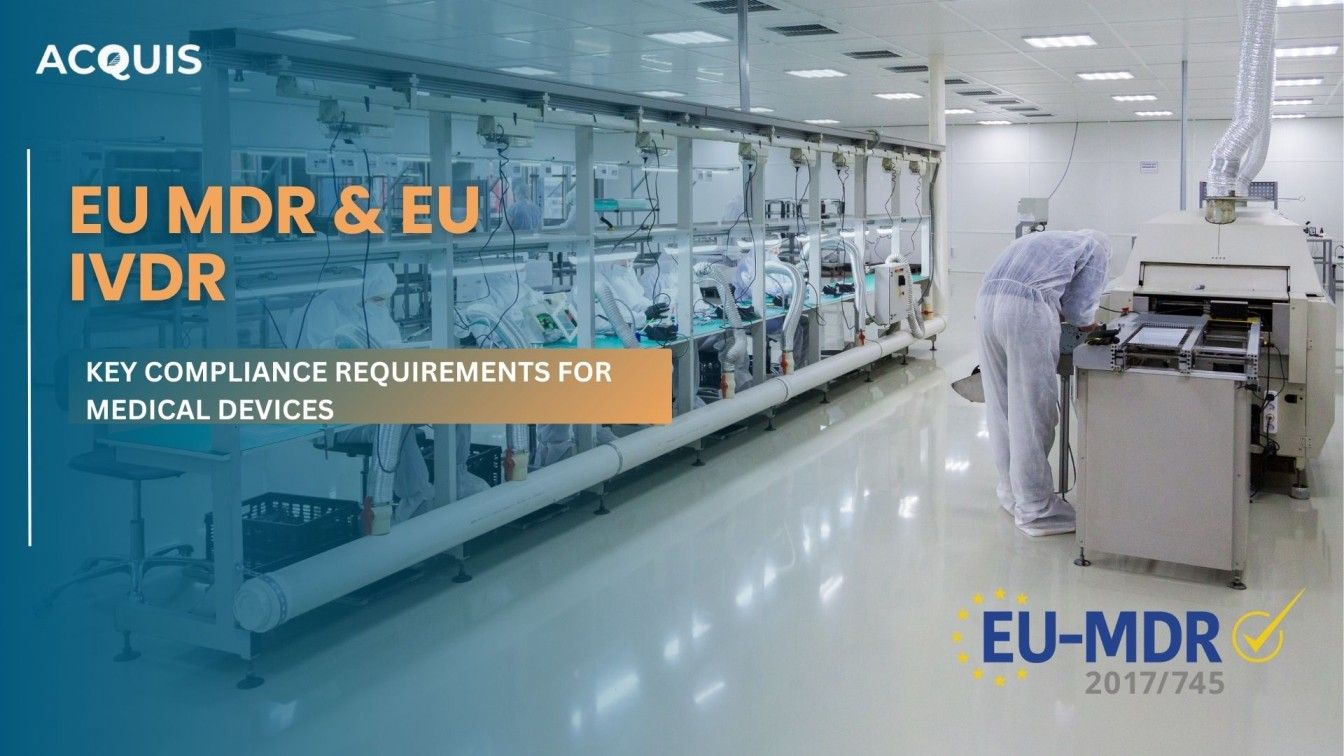
Understanding the Compliance Requirements for Medical Devices in the EU - EU MDR & EU IVDR
Related Compliance Solutions
Streamline MDR Substance Evidence
Automate supplier intake, standardize screening, and keep technical files audit-ready with Regilient.