
Key Capabilities

- 1Automated generation of USMCA Certificate of Origin (Form 434)
- 2Regional Value Content (RVC) calculation by transaction or BoM
- 3Tariff shift validation using HS code logic
- 4Supplier declaration workflows with digital signatures
- 5Audit-ready record retention and change tracking
How It Works

Ingest supplier and product master data.

Evaluate origin eligibility using tariff shift and RVC rules.

Generate Certificate of Origin or supplier declaration.

Validate approvals and submit electronically.

Monitor renewals and update certificates automatically.
Free Resource: USMCA Compliance Playbook
Includes RVC formulas, tariff shift references, and certificate templates.
Download Guide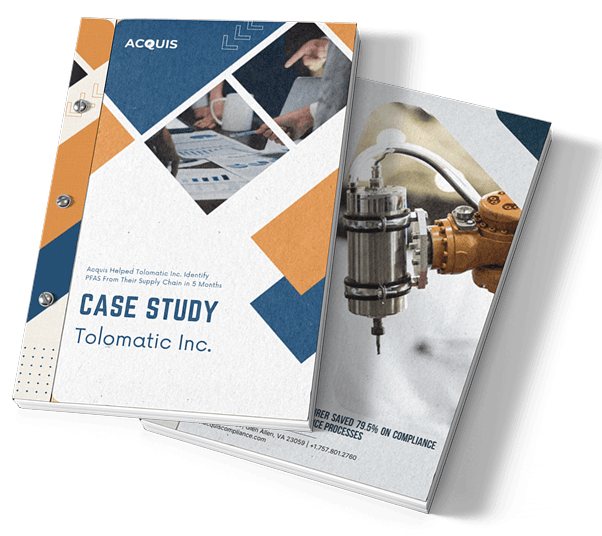
Operational Benefits

Eliminate manual origin declaration collection

Reduce errors in RVC and tariff shift calculations

Ensure timely renewals and compliance continuity
USMCA Implementation & Advisory

Implementation (4–6 weeks)
- Configure supplier and product data imports
- RVC formula setup and tariff shift validation
- Certificate automation and renewal tracking
Outcome:
First-pass compliant USMCA certificates ready for audit.

Advisory (Quarterly)
- Rule updates and threshold validation
- Supply chain origin risk assessments
- Renewal audits and corrective actions
Outcome:
Continuous compliance across supplier networks.

Managed Service (MSP)
- Supplier origin data collection and validation
- Certificate preparation and issuance
- Ongoing rule and threshold monitoring
- SLA: compliant certificate turnaround in 5 business days
Outcome:
End-to-end USMCA management with minimal internal effort.
USMCA: Manual vs Software
| Process Area | Manual (Spreadsheets) | Software (Regilient) |
|---|---|---|
| Certificate Creation | Manual templates | Auto-filled with supplier & product data |
| RVC Calculation | Spreadsheet formulas | Automated calculation by product category |
| Tariff Shift Validation | Manual review | Automated rule engine by HS code |
| Renewal Tracking | Calendar reminders | Automatic alerts & reissuance |
Typical Roles & Actions
| Role | Typical Actions (examples) |
|---|---|
| Trade Compliance | Review and approve supplier certificates |
| Procurement | Collect supplier origin data and declarations |
| Customs / Logistics | Attach certificates to shipments and audits |
Ensure suppliers update declarations annually or as origin status changes.
USMCA Compliance Checklist
- Identify products eligible for USMCA benefits
- Verify tariff shift and RVC thresholds
- Collect supplier origin declarations
- Generate Certificate of Origin and submit
- Maintain renewal calendar and archive records
FAQs for Trade Compliance
Related Trade Compliance Solutions
Automate USMCA Origin Compliance
Streamline supplier declarations, RVC validation, and certificate generation with Regilient.